 |
 |
July 2024
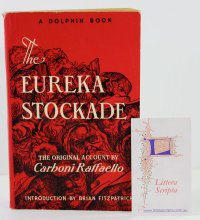
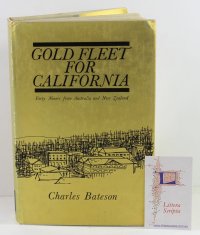
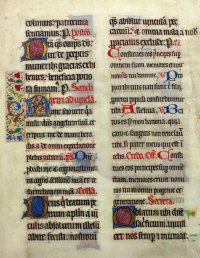
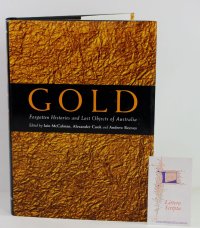
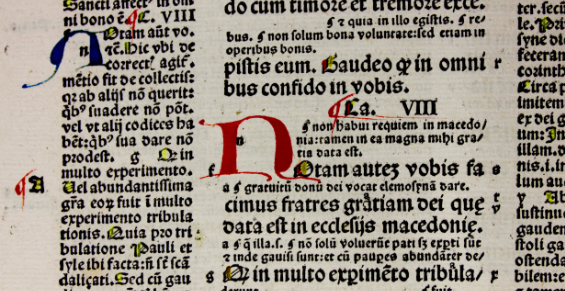
We're gradually listing some new items we'll be bringing to Melbourne's Rare Book Fair in July - (if they're not sold beforehand).
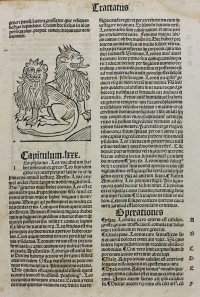
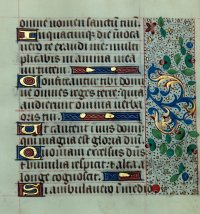
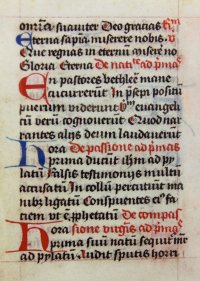
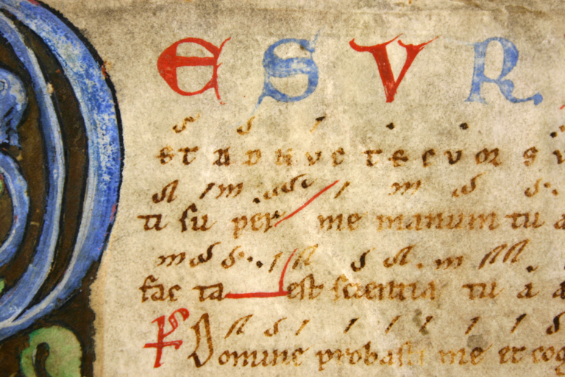
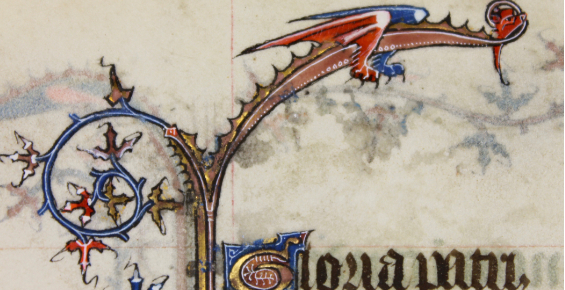
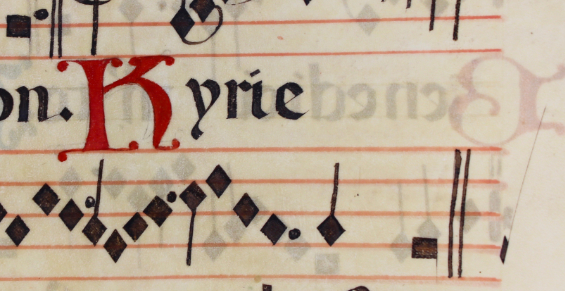
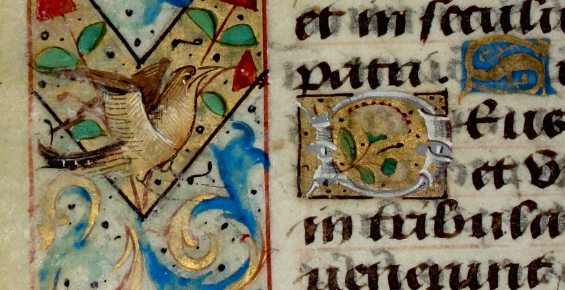
It's quite a range, from Shakespeare to Paris Bible leaves, liturgical chant and profound cries for help to sparkling Books of Hours leaves. The Black Prince and The Whingeing Pope will also be putting in appearances in due course.
Check them out under "New Items".
The Rare Book Fair runs from Thursday 25th July to Saturday 27 July at Wilson Hall, Melbourne University.
FREE admission.
see: rarebookfair.com
For any enquiries, please email directly to
info@litterascripta.com.au